
Trattamento preventivo delle macchie ferriche e melaniche dopo terapia sclerosante, chirurgia generale e medicina estetica ( laser, peeling chimico ecc… ) Read more →


Forex trading can seem complex, especially for those who are just starting out. However, with the right guidance and understanding, anyone can learn how to navigate this exciting market. This article aims to break down the fundamentals of Forex trading for dummies systematically. Additionally, as you embark on your trading journey, you might want to consider reliable resources like forex trading for dummies Best Uzbek Brokers to assist you in your trading decisions.
Forex, or foreign exchange, refers to the decentralized global market where currencies are traded. Unlike stock markets, the Forex market operates 24 hours a day, five days a week, providing opportunities for traders from all around the world. The primary purpose of the Forex market is to facilitate international trade and investment by allowing businesses and individuals to exchange one currency for another.
Before diving deeper, it’s essential to familiarize yourself with some basic Forex terminology:
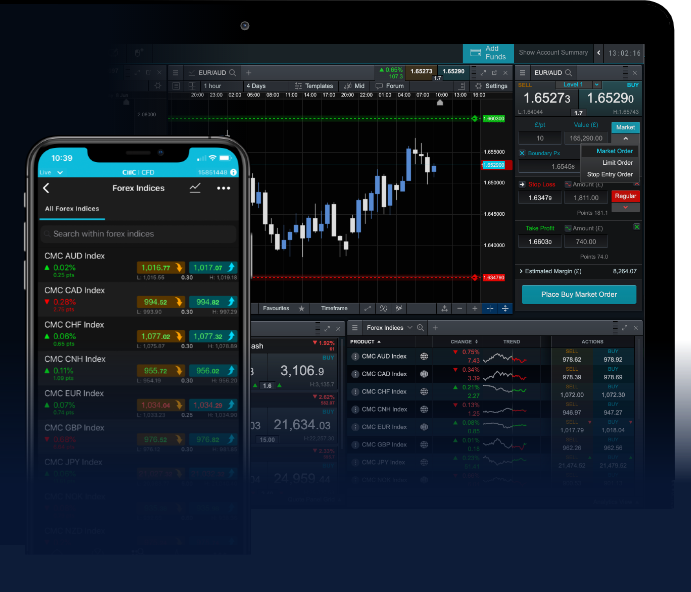
If you’re keen to start trading Forex, here are the steps you should follow:
Your Forex broker will be the platform from which you conduct your trades. It’s crucial to choose a reputable broker that is regulated and offers a user-friendly interface. Look for brokers that provide robust customer support and educational resources.
Once you have selected a broker, you’ll need to open a trading account. Most brokers offer different types of accounts based on your trading volume and style. Some popular account types include demo accounts for practice and live accounts for real trading.
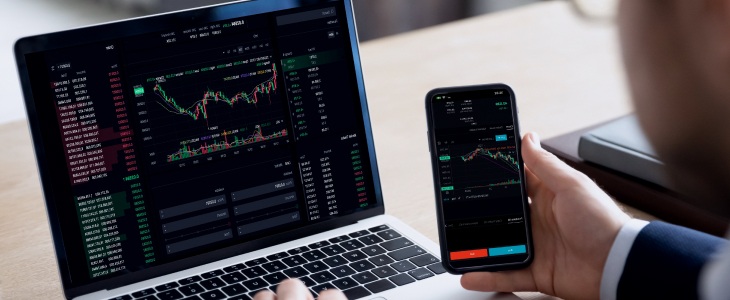
Successful traders often use two primary types of analysis: technical analysis and fundamental analysis.
A solid trading strategy is essential for success in Forex trading. Your strategy should include entry and exit points, risk management rules, and specific criteria for placing trades. It’s often beneficial to backtest your strategy using historical data before live trading.
Before committing real money, consider practicing with a demo account. This will allow you to get a feel for the trading platform and test your strategies without financial risk.
Once you feel confident in your abilities, you can start trading live. Monitor your trades closely and stick to your trading plan. Focus on risk management to minimize losses.
Effective risk management is crucial for long-term success in Forex trading. Here are some key tips:
Even seasoned traders can fall victim to common mistakes. Here are some pitfalls to watch out for, especially as a beginner:
Forex trading offers tremendous opportunities for profit, but it also comes with risks. By educating yourself and following a structured approach, you can increase your chances of success. Remember to choose a reliable broker, develop a solid trading strategy, and prioritize risk management. With persistence, practice, and a commitment to learning, you can navigate the Forex market with confidence. Happy trading!
27 Sep 2013
Trattamento preventivo delle macchie ferriche e melaniche dopo terapia sclerosante, chirurgia generale e medicina estetica ( laser, peeling chimico ecc… ) Read more →
27 Sep 2013

Novara
L'evento si rivolge agli operatori aziendali che si occupano di benessere in Menopausa.L'evento è aperto alle professioni di medico, ostetrica/o, chimico, dietista Farmacista Read more →
20 May 2013

Padova
Presidente del convegno: Antonio Azzena (Direttore Dipartimento Strutturale Area Materno Infantile Ulsss 7 Regione Veneto, Conegliano.
Read more →
9 Nov 2012

Modena-en
Promosso dalla Società Italiana della Riproduzione, il convegno si è tenuto presso l'hotel Real Fini Via Emilia Est,441 - Modena Read more →