
Trattamento preventivo delle macchie ferriche e melaniche dopo terapia sclerosante, chirurgia generale e medicina estetica ( laser, peeling chimico ecc… ) Read more →

Understanding the psychological triggers that influence casino behavior
Excitement is one of the primary psychological triggers that drive individuals to participate in casino activities. The thrill of potentially winning large sums of money can create a rush akin to adrenaline, prompting players to engage more frequently. As players explore options, they might come across the Aviamasters 2 game casino, which adds an exciting dimension to online gaming. This emotional high is often amplified by the environment of the casino itself, which is designed to evoke excitement through sound, lighting, and the overall atmosphere.

The anticipation of each spin of the wheel or roll of the dice fosters a sense of hope and engagement. This feeling can become addictive, as players may seek to recreate that initial thrill repeatedly. Understanding this mechanism is crucial for both players and operators, as it influences gambling behavior significantly.
Social dynamics play a vital role in shaping casino behavior. Many individuals view gambling as a social activity, often participating in groups or with friends. This sense of community can enhance the enjoyment of the experience, making players more inclined to spend time and money in casinos. The interactions with others, from friendly banter to shared excitement over wins, can create a compelling environment that encourages repeated visits. Moreover, the competitive nature of games can spur players to gamble more aggressively, driven by the desire to outperform others. Understanding how social elements impact behavior can help casinos tailor their environments to foster these connections while ensuring responsible gaming practices.
Behavioral economics offers insights into how players make decisions while gambling. Factors like loss aversion—where individuals prefer to avoid losses over acquiring gains—can significantly influence betting behavior. Players may continue to gamble after a loss, hoping to recover their losses, a phenomenon known as “chasing.” This psychological trigger can lead to increased spending and potentially problematic gambling habits. Additionally, the framing of games and odds can impact players’ perceptions of risk and reward. Casinos utilize various strategies to present odds favorably, subtly nudging players toward certain behaviors that may not align with rational decision-making. Understanding these nuances helps players become more aware of their gambling tendencies.
Rewards and incentives are critical components of casino marketing strategies. The use of bonuses, loyalty programs, and free spins serves to create an environment where players feel valued and motivated to return. This approach taps into psychological triggers related to reinforcement; the more often players are rewarded, the more likely they are to continue participating. These incentives can create a cycle of behavior where players feel compelled to chase rewards, sometimes leading to overspending or dependency on gambling. Awareness of these mechanisms can empower players to make informed choices about their gaming habits, promoting a healthier approach to gambling.
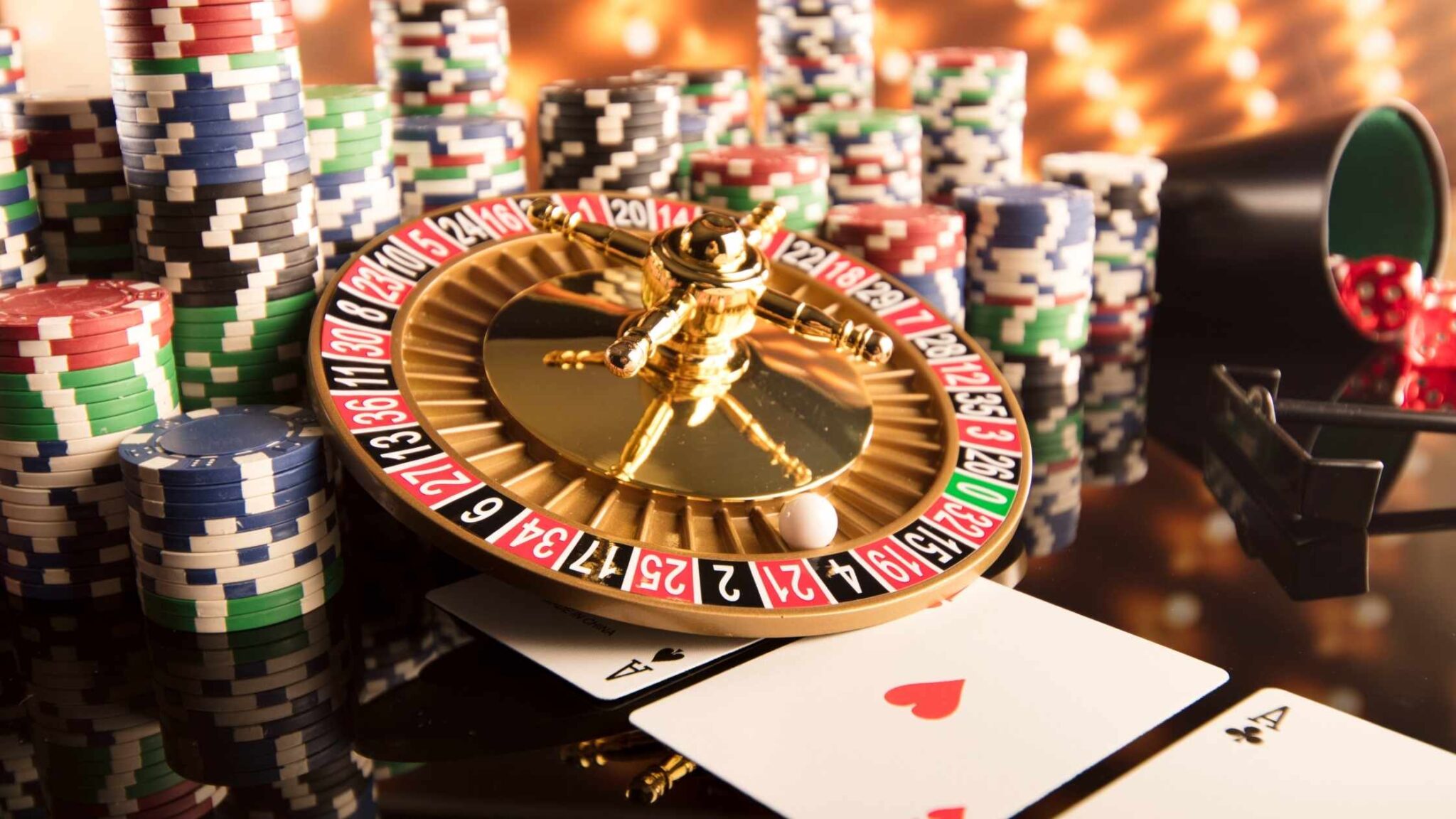
As the understanding of psychological triggers in casino behavior evolves, there is a growing emphasis on responsible gaming practices. Websites that offer games like Aviamasters 2 from BGaming provide features such as demo modes, allowing players to engage without financial risk. These responsible gaming initiatives are crucial in promoting healthy gambling habits among players. By focusing on educating players about the psychological aspects of gambling, these platforms aim to reduce the potential for harmful behaviors. Encouraging players to approach gambling as a form of entertainment rather than a source of income can foster a more enjoyable experience while minimizing risks associated with gambling addiction.
27 Sep 2013
Trattamento preventivo delle macchie ferriche e melaniche dopo terapia sclerosante, chirurgia generale e medicina estetica ( laser, peeling chimico ecc… ) Read more →
27 Sep 2013

Novara
L'evento si rivolge agli operatori aziendali che si occupano di benessere in Menopausa.L'evento è aperto alle professioni di medico, ostetrica/o, chimico, dietista Farmacista Read more →
20 May 2013

Padova
Presidente del convegno: Antonio Azzena (Direttore Dipartimento Strutturale Area Materno Infantile Ulsss 7 Regione Veneto, Conegliano.
Read more →
9 Nov 2012

Modena-en
Promosso dalla Società Italiana della Riproduzione, il convegno si è tenuto presso l'hotel Real Fini Via Emilia Est,441 - Modena Read more →