
Campagna stampa Euchelan - da settembre in uscita su Eva3000, Vip, Sì e Gossip.
Continua...


Are you eager to dive into the world of forex trading? The foreign exchange (forex) market offers immense opportunities for profit, making it an attractive option for many aspiring traders. However, navigating this complex landscape can be daunting, especially for beginners. This article will guide you through the essential concepts, strategies, and resources you need to start your forex trading journey successfully. If you’re looking for reliable trading resources, you might want to check out forex trading course for beginners Cameroonian Trading Platforms.
Forex trading involves the exchange of currencies in the global market. Unlike stocks or commodities, forex operates 24/5, allowing traders to engage in buying and selling at any time during the week. The aim is to profit from fluctuations in currency pairs, such as EUR/USD, GBP/JPY, and USD/CHF.
Before diving into trading, it’s essential to understand some key terms:
Your choice of broker is crucial to your success in forex trading. Look for brokers that offer:

Developing a trading strategy is vital for consistent success. Here are some common strategies used by forex traders:
Understanding market analysis is essential for making informed trading decisions. There are two main types:
This approach involves analyzing historical price charts and using various indicators (such as moving averages and RSI) to predict future price movements. Technical analysis assumes that market sentiment and price history are the best indicators of future price behavior.
Fundamental analysis focuses on the economic factors affecting currency values, such as interest rates, inflation, and political stability. Traders using this method analyze economic reports, central bank announcements, and geopolitical events to forecast currency movements.
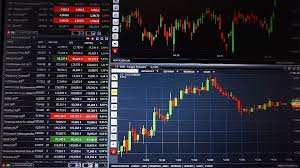
Before risking real money, it’s highly advisable to practice trading on a demo account. Most brokers offer demo accounts that simulate real market conditions. This allows you to test your strategies and build confidence without any financial risk.
Effective risk management is crucial for long-term trading success. Here are some key practices:
Staying updated on market news and economic indicators is essential for any forex trader. Here are some resources you should consider following:
Embarking on a forex trading journey can be both exciting and challenging. By educating yourself through courses, practicing on demo accounts, and continuously refining your strategies, you can enhance your trading skills and increase your chances of success. Remember to remain disciplined, stay informed about market trends, and prioritize risk management. With time and effort, you can achieve your trading goals and unlock the potential that the forex market has to offer.
If you’re ready to take the plunge into forex trading, start your education now! Consider enrolling in a reputable forex trading course designed specifically for beginners. With the right knowledge and practice, you can turn your trading aspirations into reality.
27 set 2013
Campagna stampa Euchelan - da settembre in uscita su Eva3000, Vip, Sì e Gossip.
Continua...
27 set 2013

Novara
L'evento si rivolge agli operatori aziendali che si occupano di benessere in Menopausa.
L'evento è aperto alle professioni di medico, ostetrica/o, chimico, dietista Farmacista Continua...
20 mag 2013

Padova
Presidente del convegno: Antonio Azzena (Direttore Dipartimento Strutturale Area Materno Infantile Ulsss 7 Regione Veneto, Conegliano.
Continua...
9 nov 2012

Modena-it
Promosso dalla Società Italiana della Riproduzione, il convegno si è tenuto presso l'hotel Real Fini Via Emilia Est,441 - Modena Continua...