
Campagna stampa Euchelan - da settembre in uscita su Eva3000, Vip, Sì e Gossip.
Continua...

Understanding legal regulations in the casino industry What you need to know
The casino industry is governed by a complex framework of legal regulations that varies significantly from one jurisdiction to another. These regulations are designed to ensure fair play, protect players, and maintain the integrity of the gambling industry. Understanding these laws is essential for both operators and players, as they dictate how casinos operate and how games are conducted. For convenient access to your gaming account, you should consider the nomini casino login process.
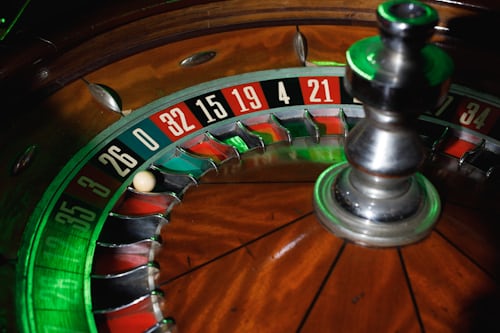
Different regions have distinct licensing requirements and compliance measures, which can include background checks, financial audits, and adherence to responsible gaming policies. This legal landscape is continually evolving, reflecting changes in social attitudes towards gambling and advancements in technology.
Obtaining a casino license is a crucial step for any gambling establishment. Licensing bodies, such as state gaming commissions or national regulatory agencies, enforce strict criteria that operators must meet. These criteria often cover aspects such as the financial stability of the business, the integrity of gaming equipment, and measures to prevent gambling addiction.
Compliance with these regulations is not optional. Failure to adhere to licensing requirements can result in hefty fines, revocation of licenses, and even criminal charges. This underscores the importance for operators to stay updated with regulatory changes and maintain rigorous compliance protocols to operate legally.
One of the key focuses of casino regulations is promoting responsible gaming. Many jurisdictions require casinos to implement policies that protect vulnerable players. This includes providing resources for self-exclusion, offering counseling services, and educating players about the risks associated with gambling.
Additionally, casinos are often mandated to train their staff to recognize signs of problem gambling and to intervene appropriately. These regulations aim to ensure that gaming remains a safe and enjoyable activity while minimizing the potential for addiction and financial distress.
Consumer protection is a significant aspect of casino regulations. Laws are in place to ensure that players’ rights are upheld, including fair treatment, transparent terms, and the right to redress in case of disputes. Casinos must clearly communicate game rules, payout percentages, and conditions for bonuses, so players can make informed decisions.
In many regions, regulatory authorities also monitor the fairness of games and the security of online transactions to protect players from fraud. This oversight builds trust between consumers and the gaming industry, fostering a safe environment for all involved.

Understanding the intricate landscape of casino regulations can be daunting, but resources are available to help navigate this complex terrain. Consulting with legal experts who specialize in gaming law can provide valuable guidance for both operators and players. They can assist in understanding the nuances of local laws and best practices for compliance.
As you explore the casino industry, remember that informed decision-making is critical. By staying aware of legal regulations and consumer protection measures, you can enhance your gaming experience and contribute to a responsible gambling environment.
27 set 2013
Campagna stampa Euchelan - da settembre in uscita su Eva3000, Vip, Sì e Gossip.
Continua...
27 set 2013

Novara
L'evento si rivolge agli operatori aziendali che si occupano di benessere in Menopausa.
L'evento è aperto alle professioni di medico, ostetrica/o, chimico, dietista Farmacista Continua...
20 mag 2013

Padova
Presidente del convegno: Antonio Azzena (Direttore Dipartimento Strutturale Area Materno Infantile Ulsss 7 Regione Veneto, Conegliano.
Continua...
9 nov 2012

Modena-it
Promosso dalla Società Italiana della Riproduzione, il convegno si è tenuto presso l'hotel Real Fini Via Emilia Est,441 - Modena Continua...